
 Boutique Guesthouse · Geyikli
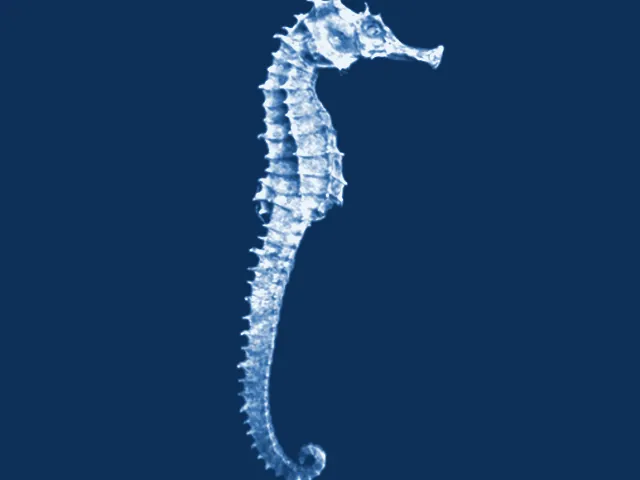
Deniz Atı (Seahorse)
A terrace room dedicated to the graceful seahorse — one of the only creatures in which the male carries the young.
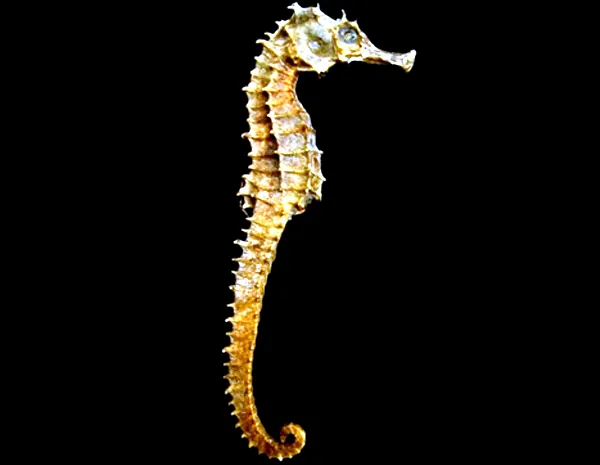
Deniz Atı (Seahorse)
Seahorses are fish of the genus Hippocampus in the family Syngnathidae, which also includes pipefish. They live in temperate and tropical waters around the world, and species range from 16 millimetres (the recently discovered Hippocampus denise) to 35 centimetres. Seahorses and pipefish are known as the only animals in which the male becomes pregnant. With a dorsal fin on the lower body and pectoral fins beside the gills, the seahorse is a true fish — and some species are partly transparent, so they go unnoticed even in an aquarium.
Overfishing has put seahorse populations at risk in recent years. Because they are used in traditional Chinese medicine, millions are caught and sold every year; since 15 May 2004 their export and import have been regulated under CITES.
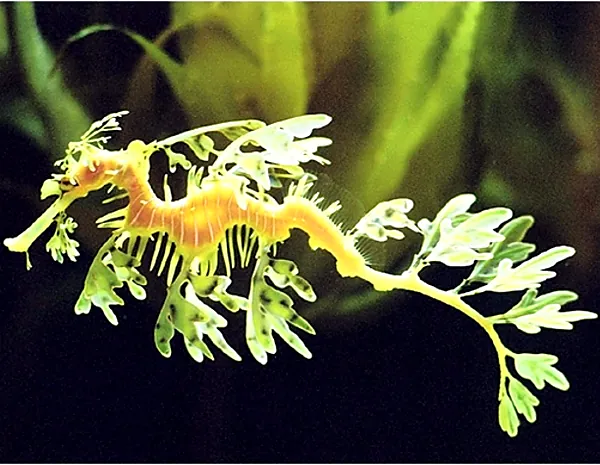
Sea dragons are close relatives, with larger bodies and leaf-like appendages that let them hide among floating seaweed and kelp beds. They feed on larval fish and tiny crustaceans such as amphipods, sucking prey into their small mouths.
The male has a brood pouch in which he carries the eggs laid by the female. A mating pair entwine their tails, the female deposits her eggs into the male's pouch, and he fertilises them there. Depending on the species and water conditions, the embryos develop for anywhere between ten days and six weeks, while the pouch gradually adjusts its salinity to match the open sea. The young are independent from the moment they are born.
Most seahorses are monogamous: partners greet each other with a courtship dance in the morning, and sometimes in the evening, to strengthen their bond, then spend the rest of the day feeding apart. Their independently moving eyes let them watch prey and predators without moving their bodies, and their long, prehensile tails anchor them to seagrass so the current cannot carry them away.
Where the room is
Click any other room on the plan to open its page.
- Room
- Selected room
- Bathroom
- Terrace
Other rooms
Your spot on the quiet side of the Aegean
Contact us for current rates and availability · Season: 23 April – 29 October